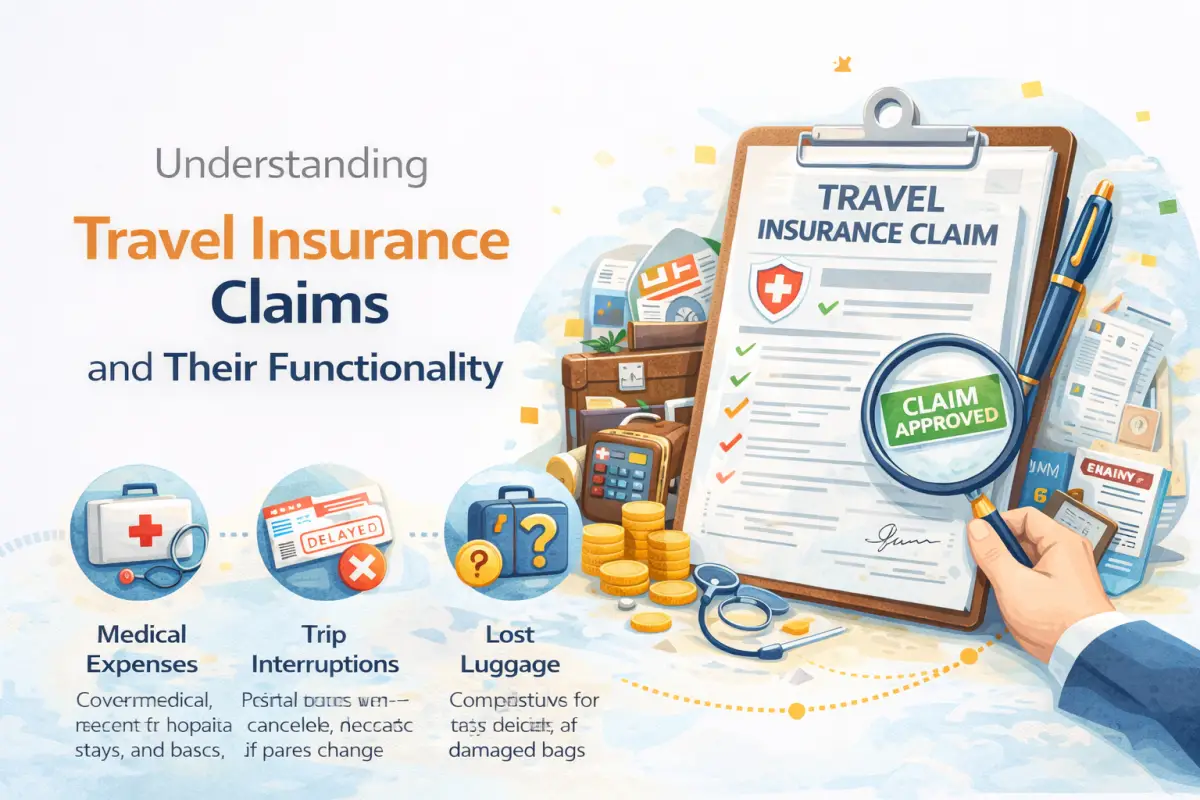
Understanding Travel Insurance Claims and Their Functionality
What Constitutes a Travel Insurance Claim?
A travel insurance claim arises when a policyholder seeks financial compensation for a loss or an unexpected event while traveling. This can include various situations, ranging from medical emergencies to lost luggage. Simply put, if something goes wrong during your trip and you have insurance coverage, you can file a claim to recover costs associated with that incident.
Claims can cover a broad range of issues. They typically require the policyholder to provide evidence of the incident and any expenses incurred. This evidence is crucial for the insurance company to assess the validity of the claim and determine the payout amount.
Why Are Travel Insurance Claims Essential?
Travel insurance claims play a significant role in protecting travelers from unforeseen financial burdens. Without insurance, a medical emergency abroad, trip cancellations, or even lost belongings can lead to hefty out-of-pocket expenses. Thus, claims allow travelers to mitigate these risks.
Moreover, understanding the claims process can help travelers navigate potential challenges. Knowing what to expect enhances the overall travel experience, providing peace of mind during a trip.
Common Types of Travel Insurance Claims
Several types of claims are frequently filed by travelers. Here are some of the most common ones:
1. Medical Emergency Claims
Medical emergencies are among the leading reasons individuals file claims. These can include accidents or sudden illnesses requiring treatment. Depending on the policy, coverage may include hospital stays, surgeries, or doctor visits.
2. Trip Cancellation Claims
Unexpected events can lead to trip cancellations. These may include personal emergencies, illness, or natural disasters. Policies usually cover non-refundable costs related to flights, accommodations, and other pre-paid expenses.
3. Trip Delay Claims
Flight delays can disrupt travel plans and lead to additional costs for food and lodging. Travelers can claim these expenses through their insurance, provided they meet specific policy criteria.
4. Baggage Loss or Delay Claims
Luggage issues are a common headache for travelers. If bags are lost, damaged, or delayed, insurance can help recover associated costs. This may include purchasing necessary items until the luggage is found.
5. Travel Document Loss Claims
Loss of essential travel documents, like passports or visas, can be a significant setback. Many policies provide coverage for costs incurred from replacing these documents while abroad.
The Process of Filing a Travel Insurance Claim
The journey from the incident to receiving payment involves several steps. First, the traveler must report the event to the insurance provider as soon as possible. Following this, they will need to gather all necessary documentation to support their claim.
Once the claim is filed, the insurance company will review all submitted materials. They may contact the policyholder for additional information or clarification. After assessment, the insurance provider will either approve or deny the claim based on the policy terms.
Documents Needed for Travel Insurance Claims
To successfully file a claim, travelers must prepare various documents. Key items often include:
- Proof of purchase for expenses claimed, like receipts or invoices.
- Medical reports or bills for health-related claims.
- Flight itineraries and tickets for trip cancellations or delays.
- Police reports for lost or stolen items.
Having these documents ready can speed up the claims process and improve the chances of approval.
Understanding Cashless and Reimbursement Claims
Travel insurance claims can generally be categorized into two types: cashless claims and reimbursement claims.
Cashless Claims
With cashless claims, the insurance provider settles costs directly with the service provider, such as hospitals or hotels. This method allows travelers to receive necessary services without upfront payment, easing financial stress during emergencies.
Reimbursement Claims
In contrast, reimbursement claims require travelers to pay for expenses first and then submit claims for later reimbursement. This process may take longer, as travelers must wait for their insurance provider to approve and process the claim before receiving funds.
Timeframe for Claim Processing
The time it takes to process a claim can vary widely based on the insurance company and the complexity of the claim. Generally, straightforward claims may be processed in a few days, while more complex cases can take weeks or even months.
Travelers should stay in contact with their insurance provider during this period to receive updates on the status of their claim.
Reasons Claims Might Be Denied
Understanding why a claim might be rejected is vital for travelers. Common reasons for denial include:
- Insufficient documentation or evidence to support the claim.
- Filing claims after the specified deadline.
- Claiming for incidents not covered under the policy.
Being aware of these factors can help travelers avoid pitfalls during the claims process.
Tips for Successful Claim Approval
To increase the likelihood of claim approval, travelers can take several steps. First, read the policy carefully to understand coverage limits and exclusions. Next, document everything meticulously. This includes taking photos and keeping receipts.
Additionally, report incidents promptly. Delays in reporting can lead to complications in the claims process. Finally, follow up with the insurance company regularly to ensure the claim is being processed efficiently.
Travel Insurance Claims for Tier 1 Countries
Traveling to Tier 1 countries often has unique insurance considerations. While these nations may have high-quality healthcare, medical treatment can still be expensive for travelers. Thus, having adequate insurance coverage is essential.
Claims filed in these countries may require additional documentation or specific forms, so travelers should be prepared and informed about the requirements of their insurance provider.
Conclusion
Travel insurance claims are a critical aspect of protecting yourself during your journeys. By understanding the claims process, knowing what documents to prepare, and being aware of common pitfalls, travelers can navigate these challenges effectively. Always review your policy to ensure it meets your needs, and remember that being proactive can make a significant difference in achieving successful claim outcomes.